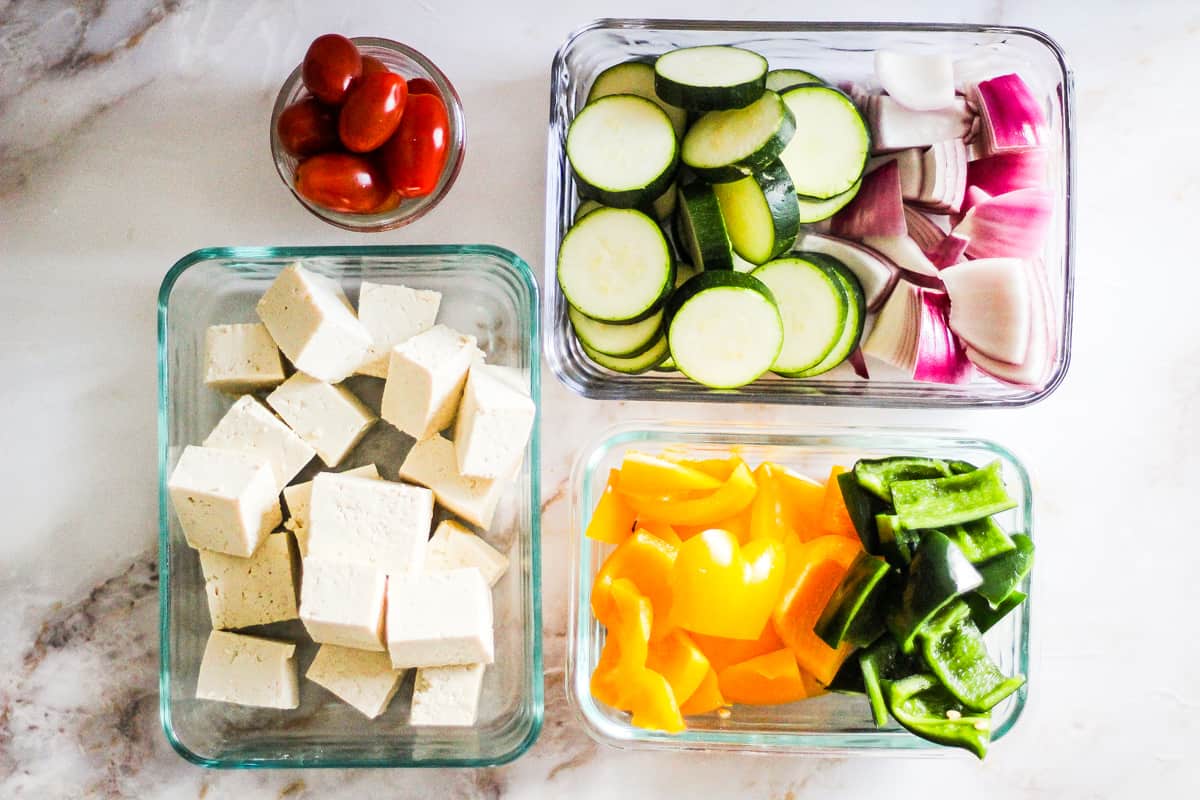
Unlock Delicious & Fulfilling Vegetarian Meal Prep Ideas for a Healthier Week
When the concept of meal prep comes to mind, a familiar image often surfaces: neatly portioned containers of chicken, rice, and a side of steamed vegetables. While undeniably efficient, this traditional approach can leave those committed to a plant-based diet feeling uninspired or, worse, convinced that vegetarian meal prep ideas are limited to endless, insubstantial salads. The truth, however, couldn't be further from this perception. Embracing vegetarian meal prep means opening a world of vibrant, flavor-packed, and nutrient-dense meals that will keep you satisfied, energized, and looking forward to your next bite.
Far from being boring, a well-planned vegetarian meal prep strategy can revolutionize your weekly eating habits, offering a delicious escape from decision fatigue and last-minute unhealthy choices. Imagine a fridge stocked with wholesome, ready-to-eat meals that nourish your body with essential proteins, fiber, and vitamins, all without sacrificing taste or variety. If you're ready to ditch the notion of bland, repetitive meatless meals and discover truly satisfying vegetarian meal prep ideas that stand the test of a busy week, you've come to the right place. We're here to share the secrets to smart, delicious, and utterly fulfilling plant-based meal planning.
Why Embrace Vegetarian Meal Prep? More Than Just Convenience
The benefits of adopting a vegetarian meal prep routine extend far beyond mere convenience. While saving time during hectic weekdays is a major draw, the advantages ripple into various aspects of your life:
- Sustained Energy & Satiety: The right vegetarian meals, rich in plant-based proteins, complex carbohydrates, and healthy fats, provide sustained energy release and keep you feeling fuller for longer. This eliminates those mid-afternoon slumps and cravings for unhealthy snacks.
- Financial Savings: Eating out frequently adds up quickly. By preparing your meals at home, you gain significant control over your food budget, often saving hundreds over the course of a month.
- Healthier Choices, Naturally: Meal prepping empowers you to prioritize fresh, whole ingredients. You know exactly what goes into your food, allowing you to limit processed ingredients, excessive sodium, and unhealthy fats.
- Reduced Food Waste: Planning your meals in advance helps you utilize ingredients efficiently, ensuring that produce doesn't languish in the back of your fridge, leading to less waste and a greener kitchen.
- Stress Reduction: The mental load of deciding what to cook for every meal, every day, can be surprisingly heavy. With meals prepped, you free up mental space and alleviate daily stress, allowing you to focus on other priorities.
For vegetarians, ensuring adequate protein intake is often a primary concern when meal prepping. The good news is that plant-based proteins are abundant and versatile, ranging from legumes and whole grains to tofu, tempeh, and various nuts and seeds. The goal is to build well-rounded meals that are as nutritious as they are enjoyable.
Essential Tips for Successful Vegetarian Meal Prep
Successful meal prepping, especially for plant-based diets, involves more than just cooking in bulk. It requires strategic thinking about storage, ingredient separation, and versatility to ensure your meals remain fresh, appetizing, and exciting throughout the week.
Smart Storage Solutions
The right containers can make or break your meal prep experience. Investing in high-quality storage is a game-changer:
- Glass Containers are King: For most meal prep, glass containers are superior. They are incredibly durable, won't stain or warp, and are excellent at preserving the flavor of your food. Crucially, they can go straight from the fridge to the microwave, eliminating the need to transfer food to another dish for reheating. Look for sets with airtight lids to maintain freshness.
- Appropriate Portion Sizes: Opt for containers that are ideally sized for a single serving. This simplifies portion control during the week, as you can grab a container and know you're getting the right amount.
- Stainless Steel for No-Reheat Meals: For salads, fruit, or cold snacks that don't require reheating, stainless-steel containers are a fantastic, eco-friendly alternative to plastic, offering excellent durability and insulation.
Combatting Sogginess and Preserving Freshness
Many delicious vegetarian meals are packed with fresh vegetables, some of which are prone to becoming soggy if not stored correctly. Nobody enjoys a limp salad or a watery stir-fry!
- Keep Dressings Separate: This is perhaps the golden rule for salad prep. Always store dressings in a separate small container or a mason jar. Toss your greens and other salad components with the dressing just before eating to maintain crispness.
- Layering for Success: When building meal prep bowls, employ smart layering. Place heartier, wetter ingredients (like cooked grains, beans, or a sauce base) at the bottom. Follow with protein sources, then less delicate vegetables, and finally, delicate greens or crunchy toppings on top.
- The Paper Towel Trick: For containers holding leafy greens, a simple paper towel placed at the bottom or on top can work wonders. It absorbs excess moisture, significantly extending the freshness and crispness of your greens.
- Prepping Perishable Items Last: Ingredients like avocado, sliced apples, or certain herbs are best added right before serving, or stored with a squeeze of lemon juice to prevent browning.
The Art of Mix-and-Match Meal Prep
One of the biggest hurdles to sustainable meal prepping is the dread of eating the same exact meal day in and day out. The solution lies in prepping versatile components rather than fully assembled meals:
- Build a Base: Start by preparing a few core components in larger batches. This could include cooked grains (quinoa, brown rice, farro), roasted vegetables (broccoli, sweet potatoes, bell peppers), and a protein source (crispy chickpeas, baked tofu, lentils, black beans).
- Vary Your Flavor Profile: The magic happens with sauces, spices, and toppings. Use your prepped bases to create entirely different meals. For instance, crispy chickpeas could be the star of a buffalo chickpea wrap one day, then find their way into a Greek-inspired salad bowl with feta and olives the next.
- Example Combinations:
- Mediterranean Bowl: Quinoa, roasted zucchini, cucumber, cherry tomatoes, Kalamata olives, hummus, and a lemon-tahini dressing.
- Mexican Fiesta Bowl: Brown rice, black beans, corn salsa, avocado, pickled red onions, and a spicy chipotle crema.
- Asian Inspired Stir-fry: Cooked noodles or rice, pre-chopped stir-fry vegetables, baked tempeh, and a sesame-ginger sauce.
This approach keeps your taste buds engaged and prevents meal prep burnout, making your vegetarian meal prep ideas exciting and sustainable.
Delicious & Satisfying Vegetarian Meal Prep Ideas
Let's dive into some concrete, protein-packed vegetarian meal prep ideas that will keep you full, focused, and genuinely excited for mealtime. These recipes prioritize whole ingredients and robust flavors.
- Hearty Lentil & Veggie Stew: Lentils are a powerhouse of protein and fiber, making them incredibly filling. A thick lentil and vegetable stew, packed with carrots, celery, potatoes, and spinach, can be cooked in a large batch and portioned out. It reheats beautifully and often tastes even better the next day.
- Spicy Chickpea & Roasted Vegetable Bowls: Roast a medley of your favorite vegetables (broccoli, sweet potatoes, bell peppers, zucchini) with olive oil and spices. Separately, crisp up chickpeas in the oven or air fryer with chili powder and cumin. Combine these with a base of quinoa or brown rice and a drizzle of a creamy tahini or sriracha mayo dressing for a customizable, nutrient-rich bowl.
- Baked Tofu or Tempeh with Peanut Sauce: Marinate blocks of tofu or tempeh in a savory-sweet peanut sauce, then bake or pan-fry until golden. Serve with cooked brown rice and a side of pre-steamed or lightly blanched green beans or snap peas. This provides excellent plant protein and a rich, satisfying flavor.
- Egg Muffins or Frittata Squares: For a quick breakfast or light lunch, whip up a batch of egg muffins or a full frittata. Incorporate spinach, diced bell peppers, onions, and a sprinkle of cheese. These are fantastic for grab-and-go options and can be reheated or enjoyed cold. For a vegan twist, consider chickpea flour "omelet" muffins.
- Pasta Salad with Pesto & Sundried Tomatoes: A wholesome pasta salad featuring whole wheat pasta, homemade pesto (or store-bought), sundried tomatoes, artichoke hearts, olives, and perhaps some cannellini beans or mozzarella pearls. Store the pesto separately if you want to extend freshness, though it often holds well mixed in.
- Black Bean Burgers or Sliders: Prepare a batch of black bean burger patties. Cook them fully and store them. During the week, simply reheat a patty and serve it on a bun, over a salad, or crumbled into a bowl with rice and salsa.
The key to success with these vegetarian meal prep ideas is often to batch cook your main components and then mix and match throughout the week. For example, your roasted vegetables could pair with chickpeas one day, and baked tofu the next.
Maximizing Flavor and Nutrition in Your Prepped Meals
While convenience is a driving force, ensuring your prepped vegetarian meals are bursting with flavor and packed with nutrition is paramount. Here are a few strategies:
- Harness the Power of Herbs & Spices: Don't shy away from generous seasoning. Cumin, coriander, paprika, turmeric, garlic powder, onion powder, dried oregano, and fresh herbs like parsley or cilantro can elevate simple ingredients. Toasting whole spices before grinding them can unlock even deeper flavors.
- Flavorful Sauces & Dressings: A good sauce can transform a simple base into an extraordinary meal. Prepare homemade dressings (tahini-lemon, cashew cream, pesto, spicy peanut, balsamic vinaigrette) in advance. They not only add flavor but often healthy fats and extra nutrients.
- Roasting for Depth: Roasting vegetables caramelizes their natural sugars, enhancing their flavor profile significantly. This technique works wonderfully for a wide array of veggies, from root vegetables to cruciferous ones like broccoli and cauliflower.
- Incorporate Healthy Fats: Don't forget healthy fats from sources like avocado (add just before eating), nuts, seeds, and olive oil. These are crucial for satiety, nutrient absorption, and adding rich texture.
- Vary Textures: A truly satisfying meal often has a variety of textures. Think crispy roasted chickpeas, creamy avocado, crunchy nuts, and tender grains. This keeps each bite interesting and prevents monotony. For more advanced tips on maximizing your plant-based meals, check out vegetarian meal prep ideas - Article 2.
Conclusion
Embracing vegetarian meal prep ideas is a journey towards a more organized, healthier, and flavorful lifestyle. By equipping yourself with smart storage, strategic ingredient separation, and the creativity to mix and match components, you can banish the notion of boring plant-based meals forever. From hearty lentil stews to vibrant roasted vegetable bowls and protein-packed tofu dishes, the possibilities are endless. Start by choosing a few key recipes that excite you, prep your ingredients with care, and enjoy the incredible benefits of having delicious, nutritious vegetarian meals ready to nourish you all week long. Your future self will thank you for the gift of stress-free, wholesome eating.
